Moving Toward the Darkness: Autumn, Shadow Work, and the Journey Toward Self.
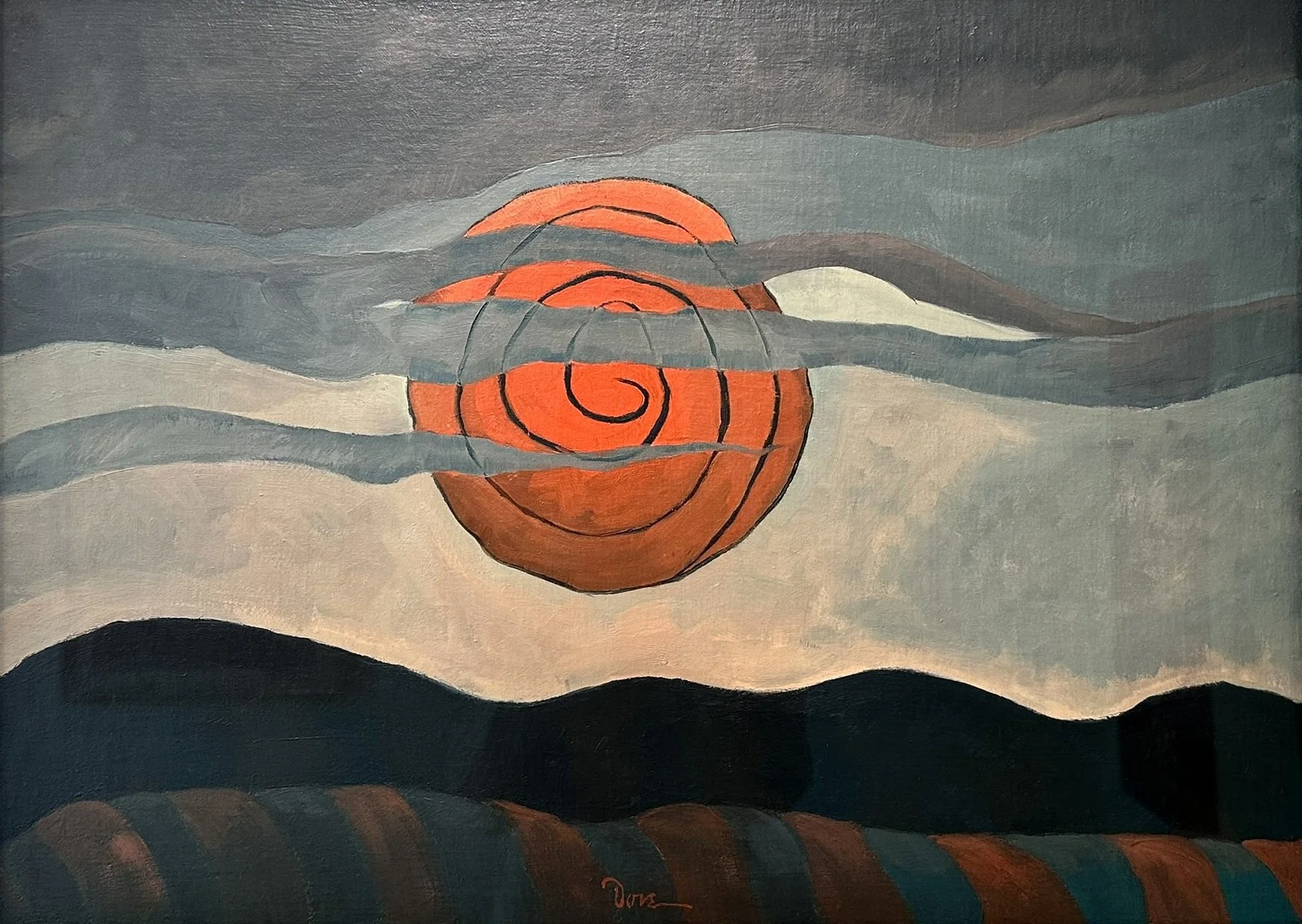
Red Sun, Arthur Dove
Each autumn, I find myself increasingly attentive to the subtle changes occurring in the natural world. The morning light arrives a little later, the evenings grow shorter, and the trees begin their annual transformation. Leaves that spent the spring and summer gathering sunlight gradually change color before releasing their hold on the branches. The rhythms of the natural world remind us that life unfolds through cycles of growth, maturity, decline, rest, and renewal. We are not separate from these rhythms, although our contemporary lives often encourage us to live as though we are.
In September, the autumnal equinox marked a turning point in the Northern Hemisphere, when day and night were approximately equal in length. From that moment forward, we began our gradual journey toward the winter solstice, the shortest day and longest night of the year. Each passing day brings a little less sunlight, inviting us toward a season that our ancestors understood intimately: a time of slowing down, gathering inward, and preparing for the darkness of winter.
For countless generations, human beings lived in closer relationship with these seasonal changes. Their daily activities, communal rituals, agricultural practices, and spiritual traditions were shaped by the movement of the sun and the changing availability of light. Darkness was not simply something to be overcome. It was part of the natural order, a necessary companion to light, growth, and renewal.
Perhaps there is something we can learn from remembering our place within these ancient rhythms.
The Darkness We Carry Within.
Swiss psychiatrist Carl Gustav Jung understood that psychological growth requires us to turn toward aspects of ourselves that remain outside conscious awareness. His concept of the Shadow describes those dimensions of our personalities, emotions, desires, memories, and capacities that we have rejected, suppressed, or failed to recognize as belonging to us.
In Jungian psychology, the Shadow is not synonymous with evil or moral failure. Although it may contain impulses and behaviors we find troubling, it also holds valuable parts of ourselves that were discouraged, dismissed, or prohibited during our development. Creativity, assertiveness, sensuality, playfulness, ambition, vulnerability, and even joy may become shadowed when their expression threatens our sense of acceptance or belonging.
From our earliest years, we learn which parts of ourselves are welcome and which are not. These lessons come through our relationships with parents, siblings, extended family, friends, teachers, coaches, religious leaders, and other influential figures. They are also communicated through the larger institutions and cultural systems in which we live, including education, religion, government, sports, workplaces, and the social expectations surrounding gender, identity, achievement, and acceptable behavior.
A child who expresses anger may be told that anger is disrespectful. Another who cries may be shamed for being too sensitive. A young person who loves singing, dancing, painting, or imagining possibilities beyond conventional expectations may discover that these expressions invite ridicule rather than encouragement. Someone who questions authority may learn that disagreement threatens love, approval, or belonging.
Over time, we may begin to internalize these messages. We learn to conceal certain feelings, silence particular opinions, abandon creative interests, or distance ourselves from needs that others have judged unacceptable. Sometimes these adaptations occur consciously. At other times, they become so deeply embedded in our ways of living that we no longer recognize what we have relinquished.
What was once an adaptive response to our environment may eventually become a limitation on our capacity to live authentically.
Depth Psychotherapy as Excavation.
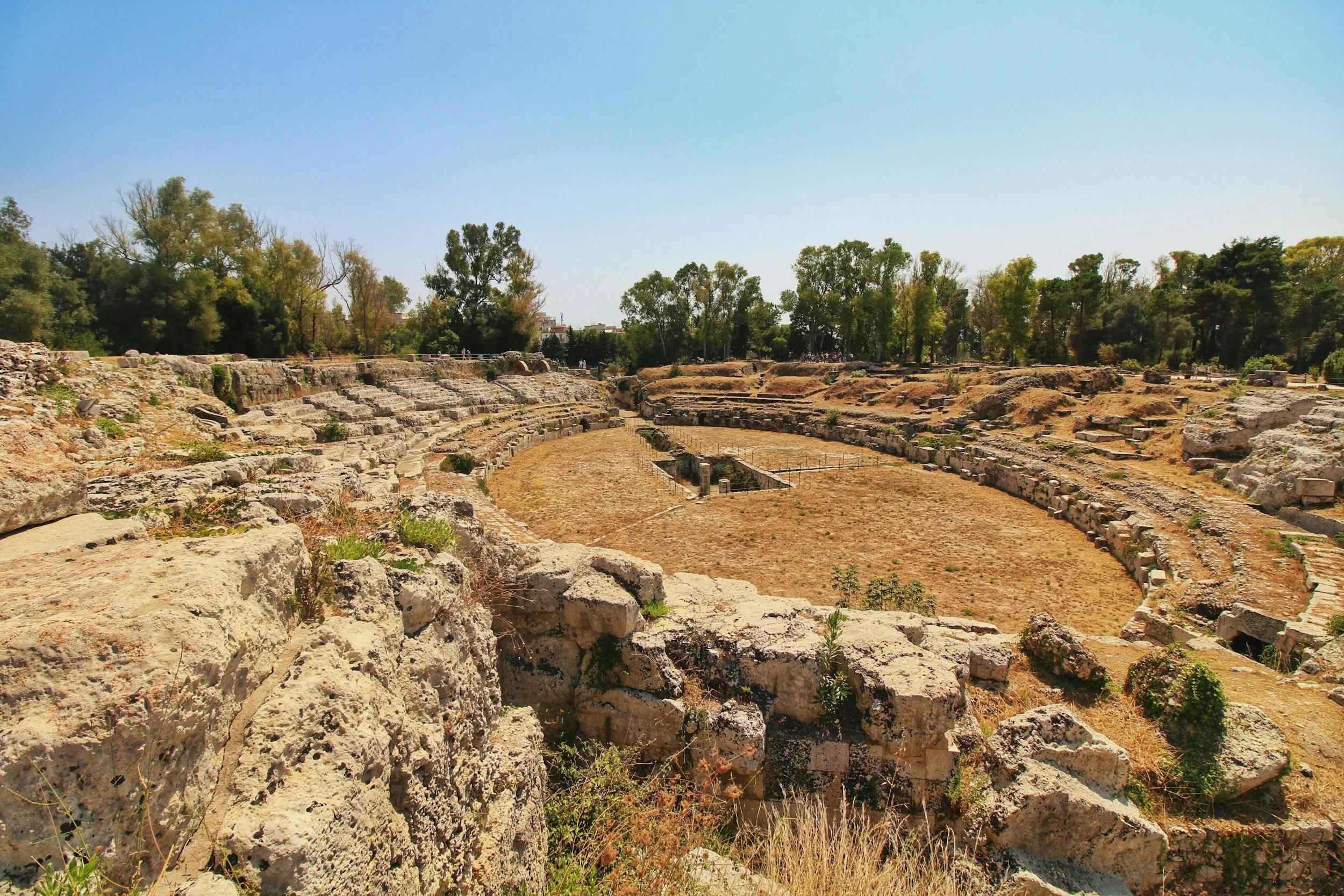
I often think of depth psychotherapy as a process of excavation. Much like an archaeologist carefully uncovering layers of earth to discover what has been buried beneath the surface, depth psychotherapy invites us to explore the psychological material that has accumulated throughout our lives.
Some of what we encounter has been consciously pushed aside because it was too painful, embarrassing, frightening, or confusing to address at the time. Other experiences have been relegated to the unconscious through psychological processes that protected us from feelings or realities we were not yet equipped to understand.
These buried experiences do not necessarily disappear simply because they are no longer within our conscious awareness. They may continue to influence our relationships, emotional responses, choices, self-perceptions, and patterns of behavior.
Depth psychotherapy creates an opportunity to approach these experiences with curiosity rather than judgment. Through reflection, dialogue, dreams, memories, emotional awareness, and attention to recurring patterns, we begin to uncover the stories we have inherited about who we are supposed to be.
Importantly, this excavation is not an attempt to assign blame or endlessly revisit the past. It is an effort to understand how our experiences have shaped us, which adaptations continue to serve us, and which may now prevent us from living more fully.
As we bring previously unconscious material into awareness, we create the possibility of developing a more conscious relationship with ourselves.
Meeting the Tender Parts of Self.
Jung's concept of individuation describes the lifelong psychological process through which we become more fully ourselves. This process does not require us to eliminate the parts of our personalities that we dislike, nor does it ask us to construct an idealized version of who we believe we should become. Rather, individuation involves recognizing and integrating the many dimensions of our psychological lives, including those that have remained hidden from conscious awareness.
For many of us, this means returning to the tender parts of Self that were wounded, embarrassed, angered, saddened, or confused by earlier experiences.
We may encounter the child who was told to stop crying, the adolescent who learned to remain silent rather than risk humiliation, or the young adult who abandoned an artistic passion because it was considered impractical. We may discover the anger we were never permitted to express, the grief we were expected to overcome quickly, or the longing for recognition that we learned to dismiss as selfish.
We may also rediscover parts of ourselves that once wanted to create, sing, dance, explore, question, speak openly, or simply experience the pleasure of being alive.
These encounters can evoke considerable emotion. There may be sadness for opportunities lost, anger toward those who discouraged us, compassion for the younger Self who did not have the freedom or resources to respond differently, and grief for the years spent living according to expectations that were never truly our own.
Yet there can also be a profound sense of recognition. Something that has remained hidden begins to feel familiar again. We may discover that a capacity we believed we had lost was never entirely gone, but had simply been waiting for circumstances in which it could safely emerge.
Bringing these shadowed elements into consciousness does not change what happened in the past. It changes our relationship to what happened and expands our freedom to choose how we live in the present.
The Wisdom of Moving with Nature.
As October unfolds and the natural world moves more deeply into autumn, I wonder what might happen if we allowed ourselves to follow its invitation toward inward reflection.
Our culture often places enormous value on productivity, achievement, outward expression, and continual forward movement. Slowing down can feel uncomfortable, particularly when stillness allows thoughts and feelings to emerge that our busy lives have helped us avoid.
Yet nature offers another model. Trees do not continue producing leaves throughout the winter. Fields are not expected to yield harvests in every season. Many living organisms enter periods of dormancy, conservation, and restoration as part of their ongoing cycles of life.
We, too, may benefit from periods of intentional inward attention.
The movement toward winter can become a symbolic invitation to examine what we have carried, what we have lost, and what remains unacknowledged within us. We might begin by noticing the feelings that arise when we allow ourselves to be quiet, the memories that return unexpectedly, or the interests and desires that have gradually disappeared beneath the demands of everyday life.
We might consider which aspects of ourselves have been shaped by the expectations of others and whether those expectations still reflect our values. We may discover that some of the identities we have worked so hard to maintain no longer fit the people we are becoming.
For those navigating Middle Life and elderhood, these reflections can become particularly meaningful. As familiar roles change and the future becomes more finite, we may feel an increasing desire to distinguish between the life we have been expected to live and the life that feels genuinely our own.
This is not necessarily a comfortable undertaking. Shadow work may reveal painful experiences, unresolved grief, uncomfortable truths, and aspects of ourselves that challenge our established identities. Such exploration requires patience, self-compassion, and an awareness of our capacity to tolerate difficult emotions. We need not uncover everything at once, nor should we mistake emotional overwhelm for psychological progress.
Like the gradual transition from autumn to winter, meaningful psychological change often unfolds through small movements toward greater awareness.
Bringing Light into the Darkness.
Jung famously wrote, "One does not become enlightened by imagining figures of light, but by making the darkness conscious" (The Philosophical Tree, CW 13, para. 335).
I return to this observation often because it challenges the assumption that psychological growth is simply a matter of becoming more positive, more confident, or more accomplished. Jung suggests something considerably more demanding: that becoming conscious requires us to encounter the dimensions of ourselves we would rather not see.
The paradox is that some of our most life-giving capacities may be waiting within those very places.
When we acknowledge our anger, we may discover our capacity to establish boundaries. When we encounter our grief, we may recognize the depth of our attachments. When we revisit shame, we may begin to question the judgments we have carried for decades. When we reclaim creativity, curiosity, or the freedom to express ourselves, we may recover dimensions of our identities that were never truly lost.
As the days grow shorter and we move toward the winter solstice, perhaps we can resist the impulse to regard darkness only as something to fear or escape. The seasonal movement toward less light offers a reminder that darkness is also part of the natural world, and that periods of inwardness can create conditions for reflection, integration, and renewal.
We do not become more fully ourselves by illuminating only what we find acceptable. We move toward wholeness by developing the courage and compassion to recognize what has remained in the shadows.
This October, I invite you to consider what parts of your Self may be asking to be seen, heard, and welcomed back into your life. Perhaps there is an old sorrow that deserves acknowledgment, an anger that carries an important truth, or a creative longing that has waited patiently beneath years of responsibility and expectation.
As nature moves toward its darkest season, we might allow ourselves to move inward as well—not to remain in darkness, but to discover what has been waiting there for our attention.
And perhaps, in doing so, we come a little closer to the person we have always had the possibility of becoming.

What parts of Self are asking to be seen, heard, welcomed back into your life? Working with a depth psychotherapist can help you excavate that which currently resides in the unconscious. Connect with me for a complimentary 30-minute consult to what our work would entail.

Lisa A. Rainwater, PhD, MA (couns), LCMHC, CCMHC, CCTP, CT is a depth psychotherapist and founder of Rainwater Counseling in Winston-Salem, North Carolina. Licensed in North Carolina, Colorado, and Wisconsin, she works with individuals, couples, and groups.
Prior to private practice, Lisa worked five years as a psychosocial oncology counselor at Atrium Health Wake Forest Baptist, where she supported individuals, couples, families, caregivers, and providers navigating cancer, loss, and end-of-life transitions.
She is a Certified Dialogue Therapist for Couples, Certified Thanatologist, Certified Clinical Trauma Professional, and Eagala-Certified Equine Assisted Psychotherapist, integrating psychoanalytic, mindfulness-based, and experiential approaches to foster healing and reconnection.
Holding a PhD in German and Scandinavian Studies from the University of Wisconsin–Madison and a master’s in Counseling from Wake Forest University, Lisa’s work bridges mythology, depth psychology, and existential meaning-making. She recently completed Finding Ourselves in Fairy Tales: A Narrative Psychological Approach with Dr. Sharon Blackie at Pacifica Graduate Institute and continues advanced studies through the Centre for Applied Jungian Studies and The PACT Institute Psychobiological Approach to Couples Therapy.
She is licensed to practice in North Carolina, Colorado, and Wisconsin.