
Buffalo seasons Awareness in life

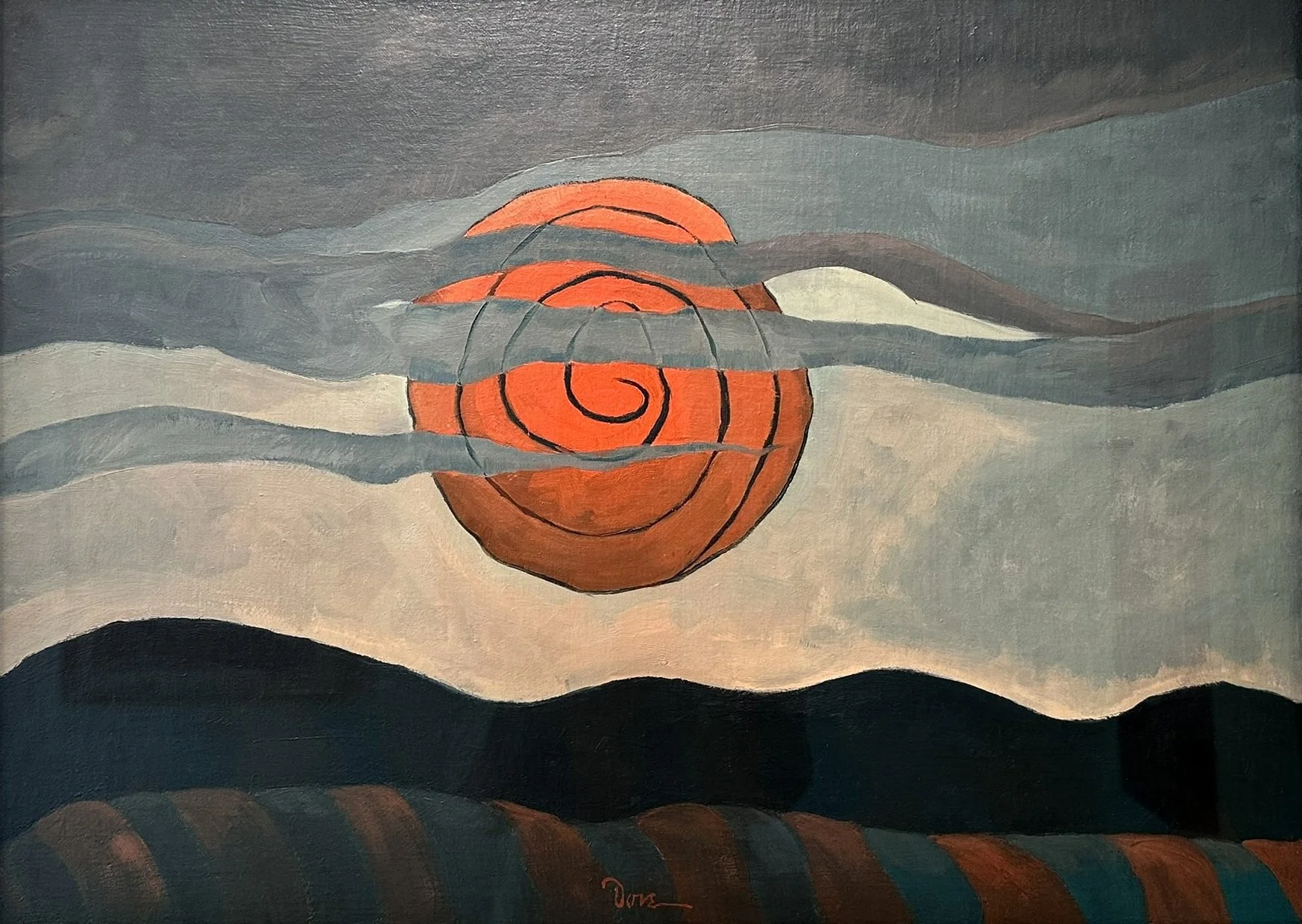
Moving Toward the Darkness: Autumn, Shadow Work, and the Journey Toward Self.
In Jungian psychology, the Shadow is not synonymous with evil or moral failure. Although it may contain impulses and behaviors we find troubling, it also holds valuable parts of ourselves that were discouraged, dismissed, or prohibited during our development. Creativity, assertiveness, sensuality, playfulness, ambition, vulnerability, and even joy may become shadowed when their expression threatens our sense of acceptance or belonging.
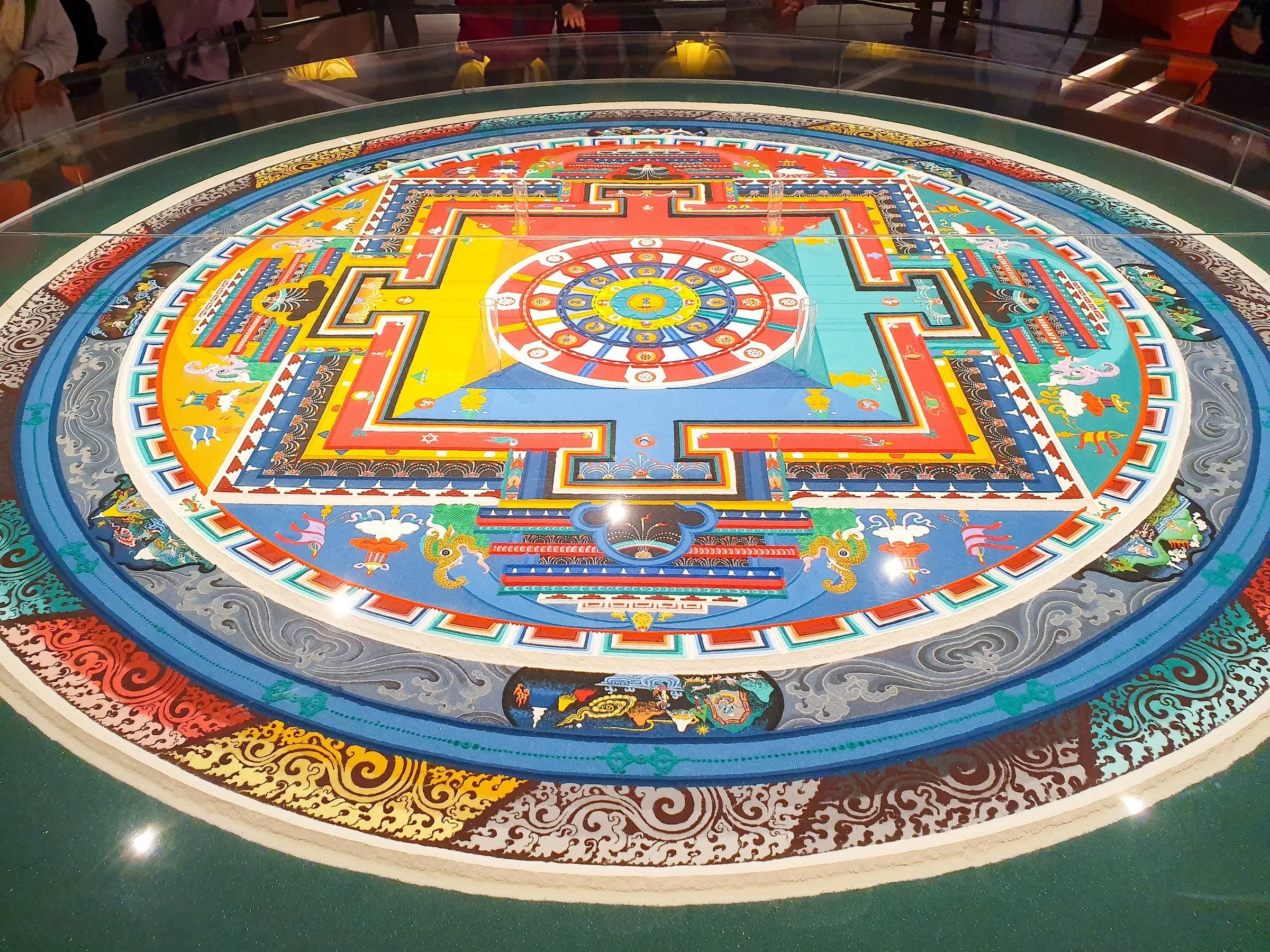
The Mandala at Midlife: Jung and the Movement Toward Wholeness.
There are periods in life when the identity that has carried us for decades begins to shift. The roles remain recognizable, but perhaps they no longer contain the whole of who we are. These experiences can raise questions that are less concerned with achievement than with meaning: Who am I now? What remains unlived? What have I neglected, relinquished, or pushed aside? What belongs to me in this next phase of life?
Carl Jung believed that such questions become particularly important during the second half of life. His concept of individuation describes the lifelong process through which we become more conscious of the larger personality—not simply strengthening the ego, but gradually encountering and integrating aspects of ourselves that have remained unconscious, rejected, undeveloped, or unknown. One of the images Jung found most compelling for this movement toward psychological wholeness was the mandala. The mandala, for Jung, was far more than a beautiful circular design. It was an image of the Self.
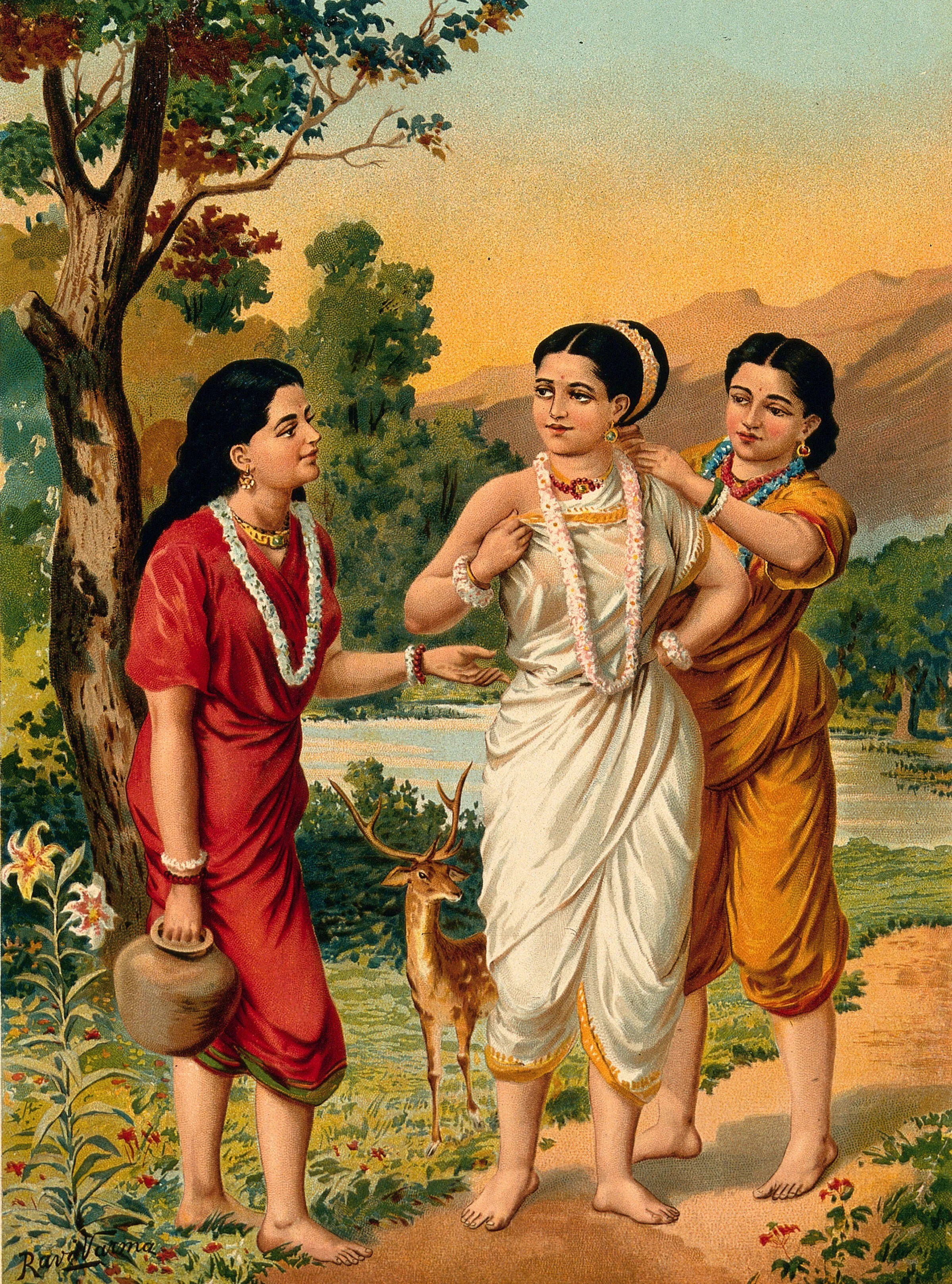
Friendship in the Later Chapters of Life.
As we grow older, friendship can take on renewed importance. Roles that once consumed enormous amounts of our time and energy begin to change. Children establish independent lives. Careers end or take different forms. Parents die. Marriages and partnerships change. Our bodies ask for different kinds of attention. We may find ourselves with more time, but also with fewer of the structures that once brought us naturally into contact with other people.
At this stage of life, friendship can become an important place of continuity—and an important place of becoming.

Before “I Do” and Beyond: Building a Marriage Through Dialogue.
Engagement and the early years of marriage are often filled with anticipation: choosing a home, imagining a future, combining traditions, planning celebrations, and beginning to think of two individual lives as a shared life. There can be tremendous tenderness in this season. And then, inevitably, two histories enter the marriage along with two people.
Much of this history operates quietly beneath the surface of a new relationship. During the intensity of early love, differences can seem charming, manageable, or simply unimportant. But as a relationship deepens and everyday life becomes more demanding, those differences often begin to carry greater emotional weight.
This is where Premarital and Early-Marital Counseling can offer something much deeper than preparing couples to manage conflict. Dialogue Therapy invites couples to understand the relationship they are creating by first becoming curious about the relationships that shaped them.
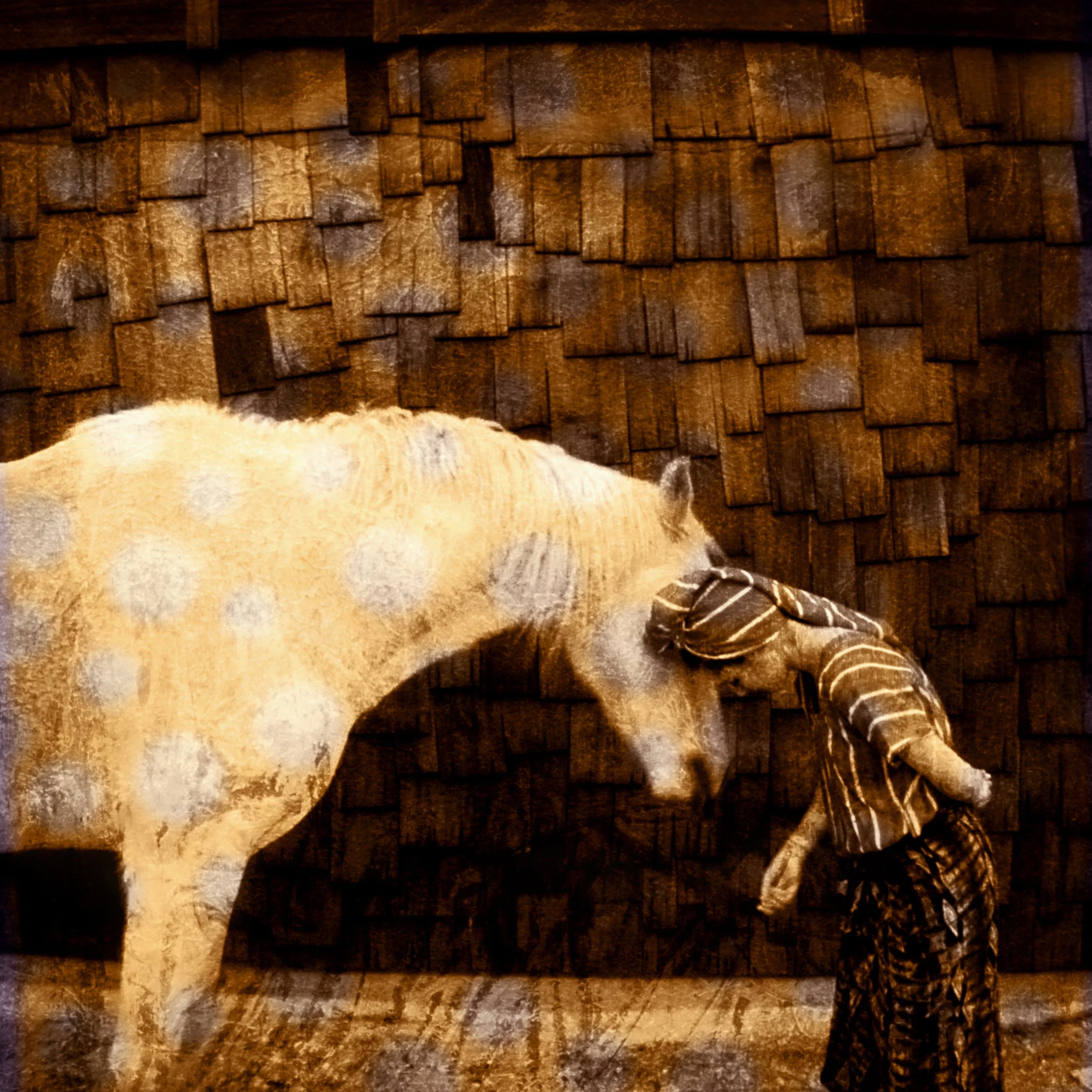
A Testimonial on the Magic of Horses.
On May 16, 2026, I had the privilege of offering testimony at Riverwood Therapeutic Riding Center’s Gallop & Graze event on what I can only describe as the quiet magic of horses. I spoke not only as a volunteer, therapeutic rider, and equine-assisted psychotherapist, but as someone whose own life has been altered by being in relationship with horses. What began as volunteering at Riverwood became an unexpected journey toward healing, presence, and deeper understanding of the mind-body connection. This reflection shares some of that story—and the profound impact Riverwood continues to have on participants, volunteers, and our wider community.
When people ask why I volunteer at Riverwood Therapeutic Riding Center, I usually give a practical answer. I say that I enjoy horses. I say I value the mission. I say I wanted to give back.
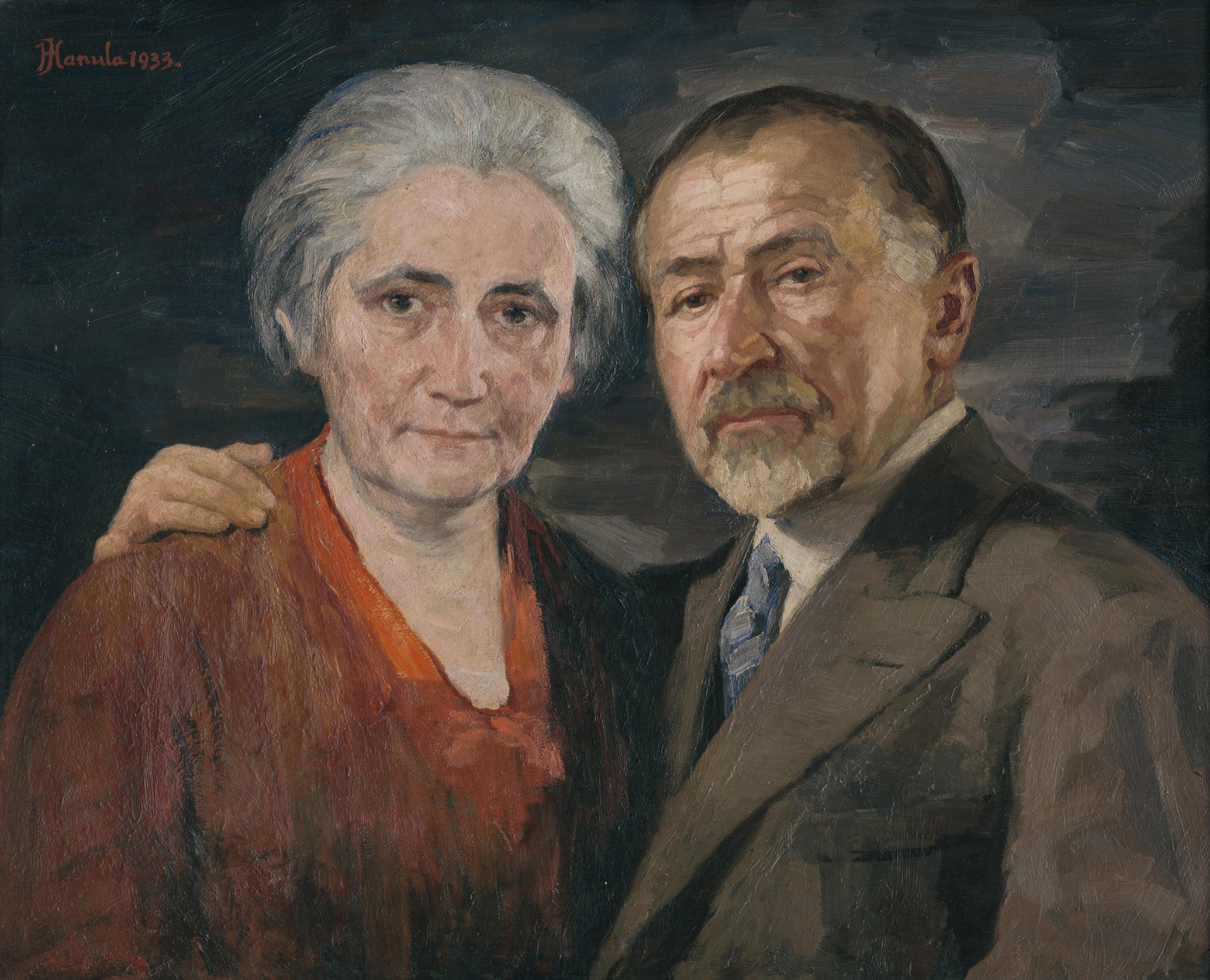
Remaining Curious: The Third Pillar of Dialogue Therapy for Couples.
New love can feel like a cotton-candy meadow—sweet, playful, and full of possibility. Over time, every relationship shifts and changes. You grow together and apart, discovering that love is not a static feeling but a living process that asks for attention, compassion, and courage.
Conflicts inevitably arise. How you navigate them—how you speak, listen, repair, and stay open—determines whether your relationship deepens or drifts. In couples therapy, we work together to understand the patterns that keep you stuck and to create new ways of being that foster trust, intimacy, forgiveness, and joy. The first pillars of Dialogue Therapy invite couples to learn to speak for themselves and listen mindfully. The third asks something equally important and perhaps more difficult over time: Can you remain curious?
Listening Mindfully: The Second Pillar of Dialogue Therapy.
If speaking for yourself is the discipline of self-responsibility, mindful listening is the discipline of restraint. It asks us to suspend the reflex to correct, defend, interpret, or counterattack. It asks us to stay. It is rooted in a contemplative stance similar to what Thich Nhat Hanh called “deep listening”—listening not to fix or persuade, but to understand suffering.
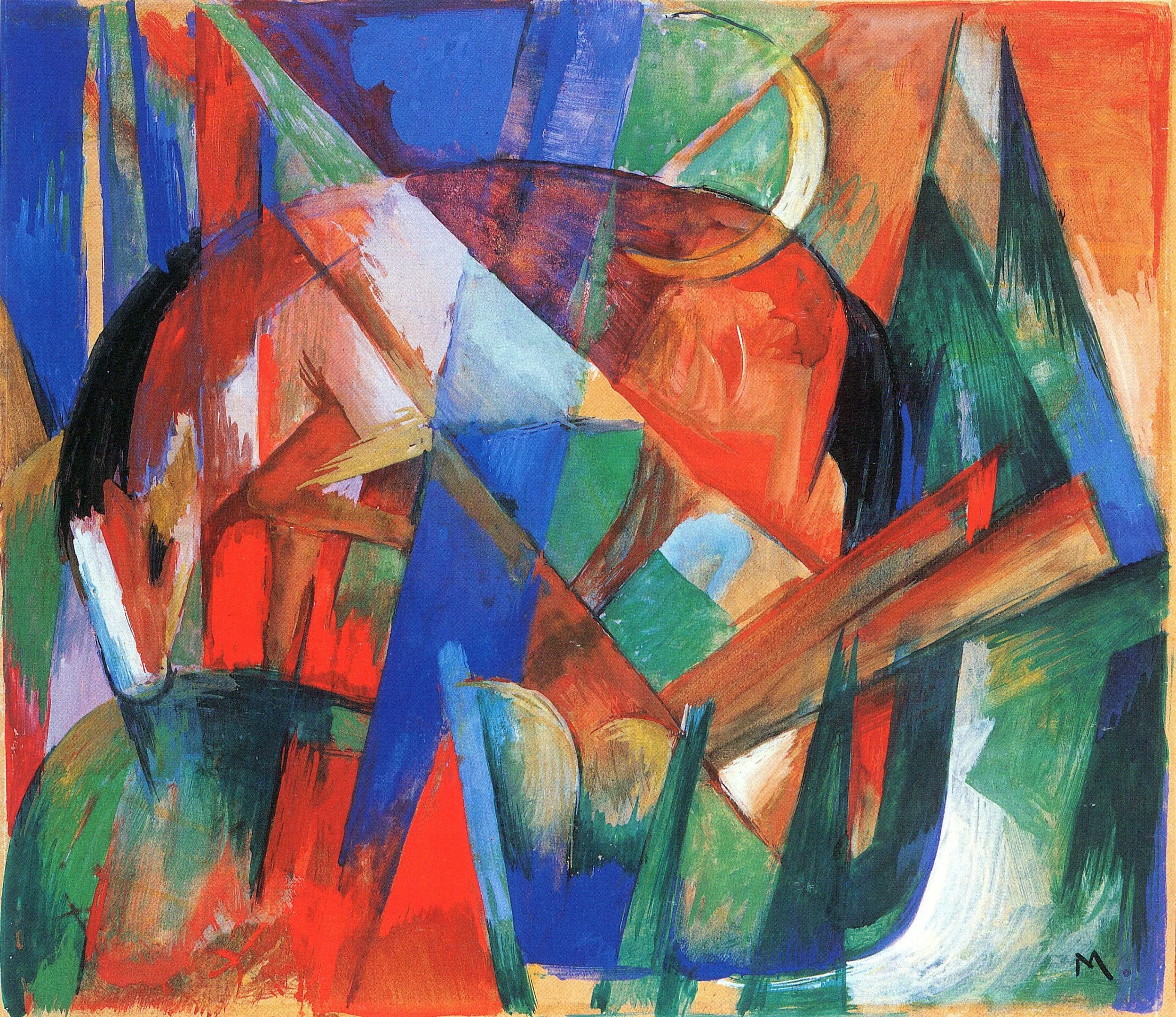
From the Wood Snake to the Fire Horse: Entering a Year of Balanced Vitality.
As the Lunar New Year turns with the New Moon, we move from the contemplative coils of the Wood Snake into the incandescent stride of the Fire Horse. In the language of the Chinese zodiac, each year carries not only an animal archetype but an elemental tone. Together, they create a psychological weather pattern—one that shapes collective mood and inner life alike. From a depth-psychological perspective, these archetypal movements matter—not because they determine us, but because they invite us to participate consciously in a larger rhythm moving within the collective unconscious.
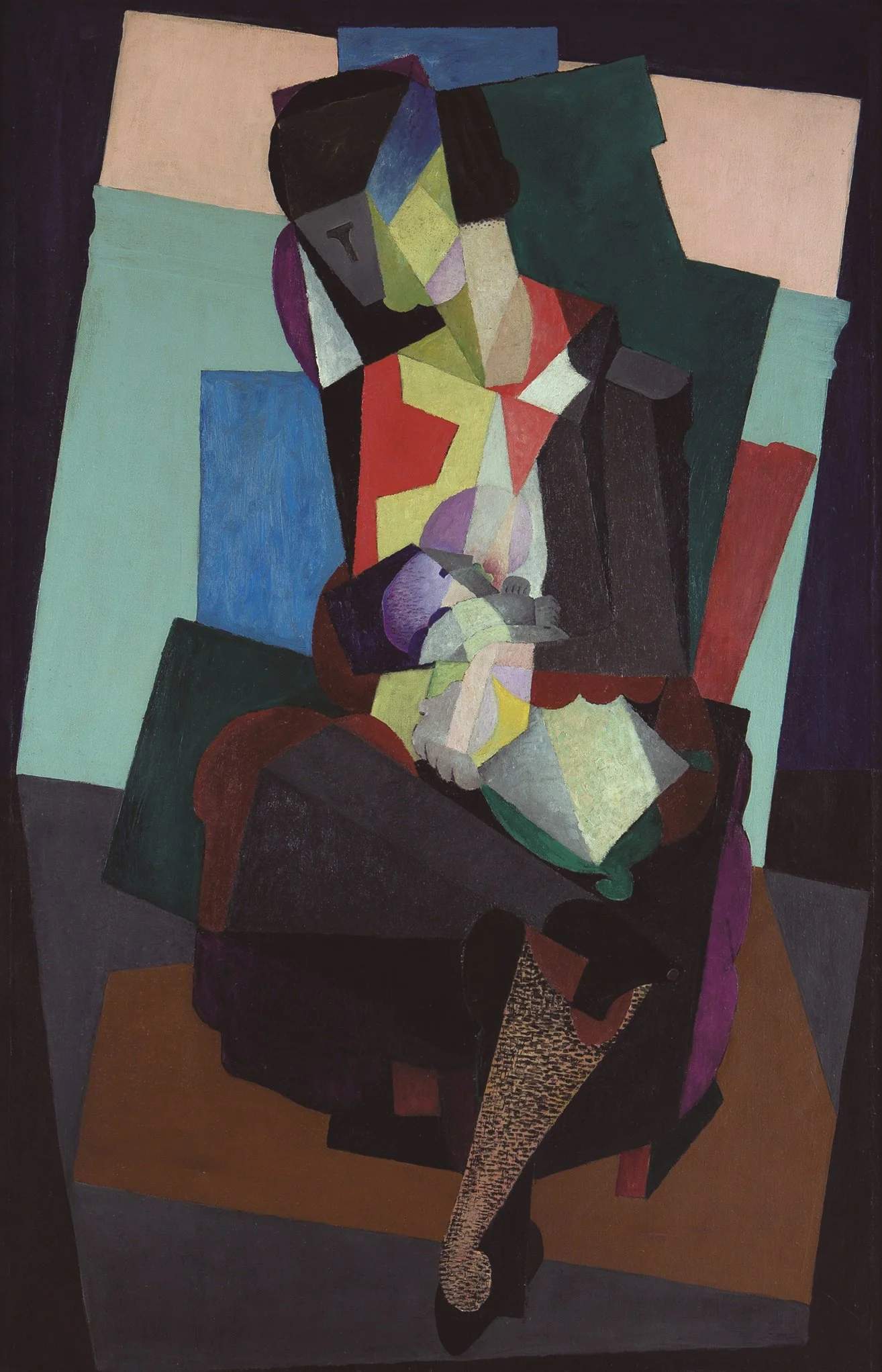
Perimenopause and the Reorganization of Maternal Identity.
There is a particular kind of grief that emerges in the midst of things going “well.” A child is healthy, developmentally on track, and moving toward greater independence. The family system remains intact. And yet, for many mothers, something quietly but decisively changes. The relational shape of daily life shifts. The closeness that once structured time, attention, and identity loosens. While not a crisis, it may feel like one and can be deeply felt. For many women, this transition coincides with perimenopause—a stage marked not only by hormonal changes but by a broader reorganization of Self.
Speaking for Yourself: A Core Practice in Dialogue Therapy for Couples.
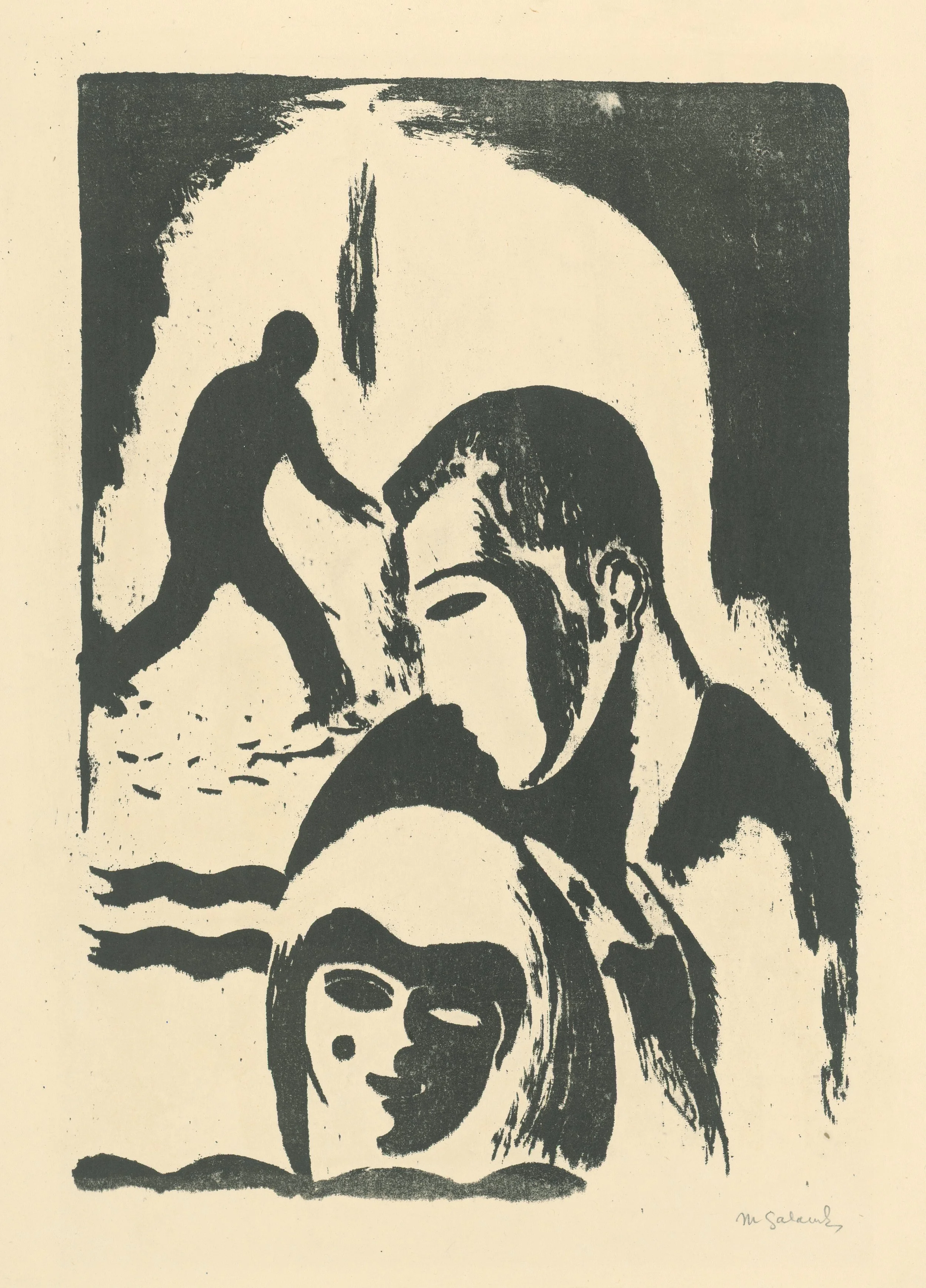
One of the most quietly radical ideas in couples therapy is also one of the simplest: speak for yourself. In Dialogue Therapy, this principle is not merely a communication skill—it is the ethical and emotional backbone of the work. Many couples arrive in therapy locked in a familiar loop. One partner speaks about the other (“You always…,” “You never…”), while the other becomes defensive, withdrawn, or counterattacks. Dialogue Therapy interrupts this cycle by asking partners to return to their own inner ground.
When Loss Reorders the Inner World.
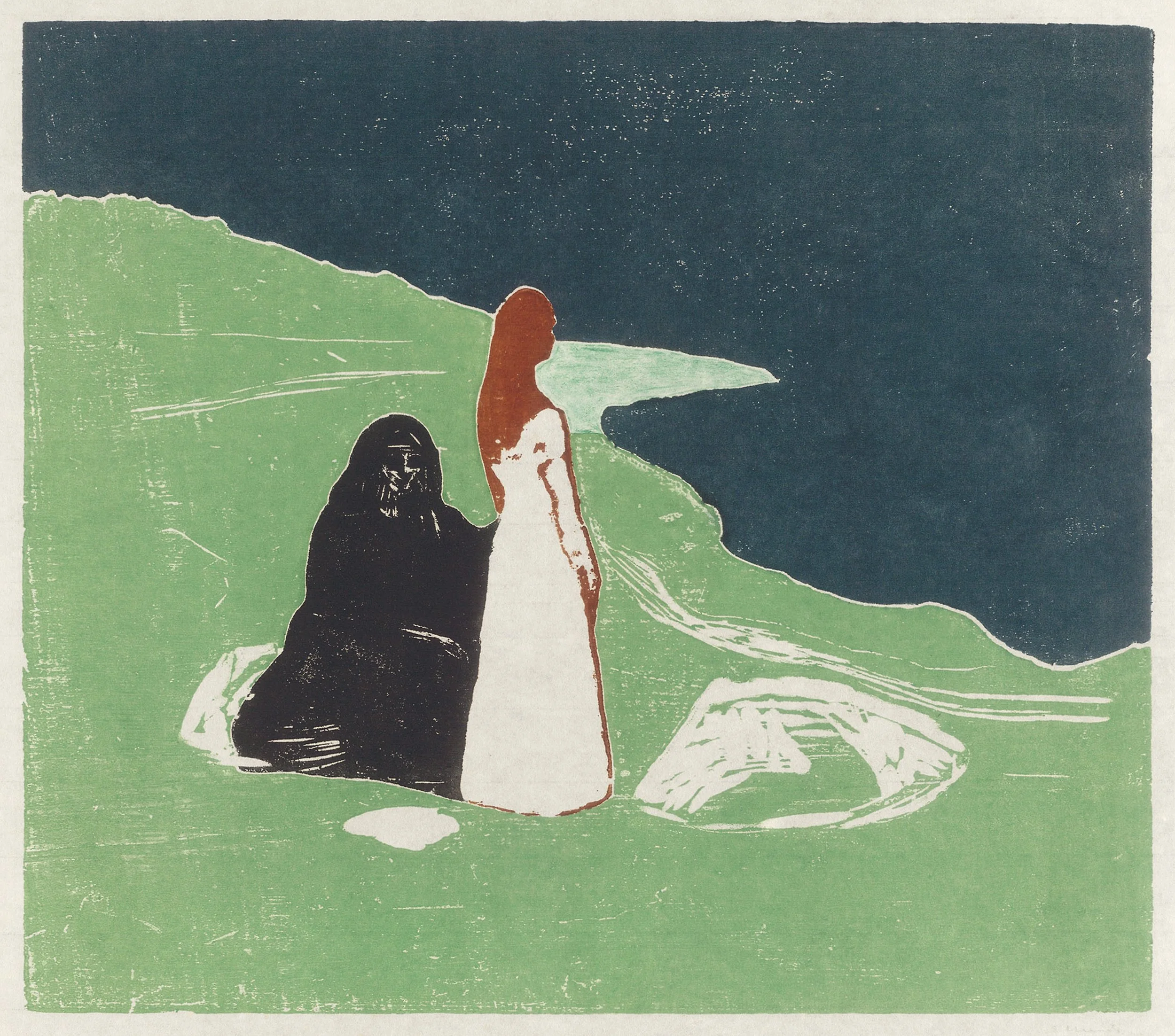
Grief often marks the moment when this deeper layer of the psyche is constellated. What begins as a personal loss—my beloved, my body, my future—frequently expands into something larger and more unsettling. Patients describe a sense that the world itself has changed; familiar meanings collapse; time feels distorted; identity loosens. From a Jungian lens, this is not regression, but initiation. Loss presses the psyche beyond personal biography and into archetypal territory, where death is no longer only an event but a fundamental dimension of existence.

The Self That Holds Us: On Identity, Ego, and Becoming.
We spend so much of our lives trying to figure out who this “I” is—this constellation of stories, habits, wounds, longings, and flashes of wisdom that moves through the world in our name. Some days the “I” feels solid, knowable. Other days it dissolves, slipping through our fingers like water. And perhaps this is the point: the self is not a possession we hold, but a living process we learn to relate to with increasing honesty, courage, and grace. Carl Jung wrote that becoming ourselves is both the simplest and the most difficult task of a lifetime. Individuation, he said, is the work of gathering up the scattered pieces of who we are—the conscious stories, the shadowed memories, the unlived potentials—and integrating them into a coherent enough center from which we can move through the world. “Coming to selfhood,” he called it (CW 7, para. 266).

The Wisdom That Finds Us: On the Importance of Intuition.
We live in a culture that celebrates effort, reason, and productivity. Knowledge is assumed to be the result of calculation, research, or logic. And yet, the most important turns in our lives—the decision to change careers, the recognition of a partner’s truth, the sudden creative breakthrough—often arrive as hunches. Intuition is not the fruit of conscious labor but of unconscious ripening. Something within us, out of sight, gathers the fragments of experience, dream, and feeling, and suddenly pushes forth an insight like a flower breaking through the soil.
Jung reminds us that the work of intuition lies not in producing it but in catching it. The psyche offers; the ego must be attentive enough to receive.

From Prognosis to Possibility: Rewriting the Story of Lung Cancer Survivorship.
For decades, a lung cancer diagnosis often carried a single story — one of finality. The prognosis was grim, the path forward narrow. Today, that story is changing. Advances in targeted therapies, immunotherapies, and early detection have opened new chapters in what it means to live with lung cancer.
But as treatment evolves, so too must the way we understand survivorship. Beyond medical progress lies an equally vital conversation: how we make meaning, find connection, and reclaim identity after diagnosis. This is the heart of the new narrative — the shift from prognosis to possibility.

Embracing the Presence of the Other
Thich Nhat Hanh once taught that the most magical words we can ever offer another are also the simplest: “Dear one, I am really here for you.” I return to these words again and again in my own life and in my work with couples. They are both balm and mirror—balm because they soothe the ache of longing to be seen, mirror because they reflect back how often we live side-by-side yet fail to arrive in each other’s presence.

On the Threshold of Equine Assisted Psychotherapy
Equine assisted psychotherapy has shown profound benefit for those navigating trauma, grief, anxiety, depression, attachment wounds, and life transitions. For many, especially those who feel “stuck” in traditional therapy, the barn becomes a threshold. The horse, with its attunement and honesty, calls forth trust, boundary-setting, communication, and self-regulation in ways that words alone cannot.
Civilized Savagery: Jung on Fear, Projection, & the Collective Shadow.
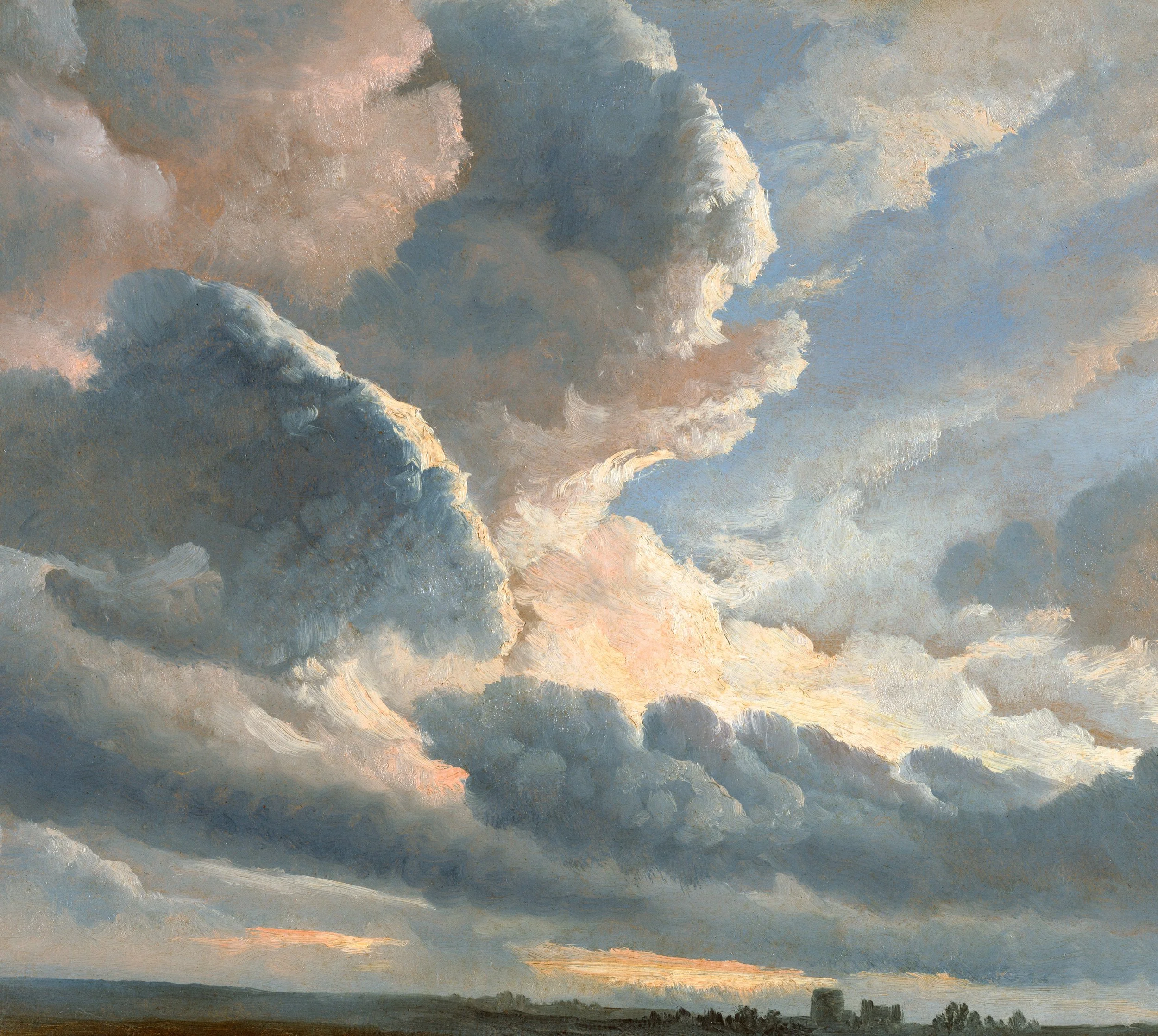
Jung’s words remain a call to responsibility. They remind us that civilization without consciousness is savagery dressed in fine clothes. To confront the collective shadow is no small task—but it begins with the individual willingness to notice our fear, to own our projections, and to resist the seduction of blaming the neighbor for the demons we refuse to face.

Amor Fati: Nietzsche’s Call to Love Our Lives Entirely.
One of my favorite German philosophers is Friedrich Nietzsche—a man whose psychological and physical ailments often served as co-authors to his illuminating, existential writings. His work is not only intellectually rigorous but also deeply personal, a philosophical excavation of what it means to be human. In this post, I invite you to walk with me—barefoot and blistered if need be—into the burning heart of amor fati, Nietzsche’s wild summons to love what is, as if we ourselves had chosen every twist and tremble of it.

No Mud, No Lotus: The Transformational Power of Dis-Ease
At its heart, Buddhism does not deny the presence of dis-ease—it teaches us how to be in relationship with it. Rather than turning away, it invites us to lean in with curiosity and compassion. Dukkha is not seen as a flaw in the system, but as a gateway to understanding. Through mindfulness and presence, we learn that pain and joy are not opposites—they are intertwined. The lotus, after all, blooms not in spite of the mud, but because of it. In this way, Buddhism offers a deeply hopeful path, one rooted not in avoidance, but in transformation.

The Inner Map: Gray Whales, Coyotes, and the Solstice of the Self
As the longest day of the year stretches across our skies, the summer solstice invites us to pause—not just to mark the season, but to orient ourselves anew.
What if, like the gray whale, we possessed a hidden map within us?
A deep, fluid geography not etched in ink but felt in bone and breath—drawn by light, pulled by inner knowing. In this moment of maximum solar radiance, we’re reminded that we, too, are creatures of migration and memory, guided not only by visible landmarks but by the invisible tides of the psyche.