
Buffalo seasons Awareness in life

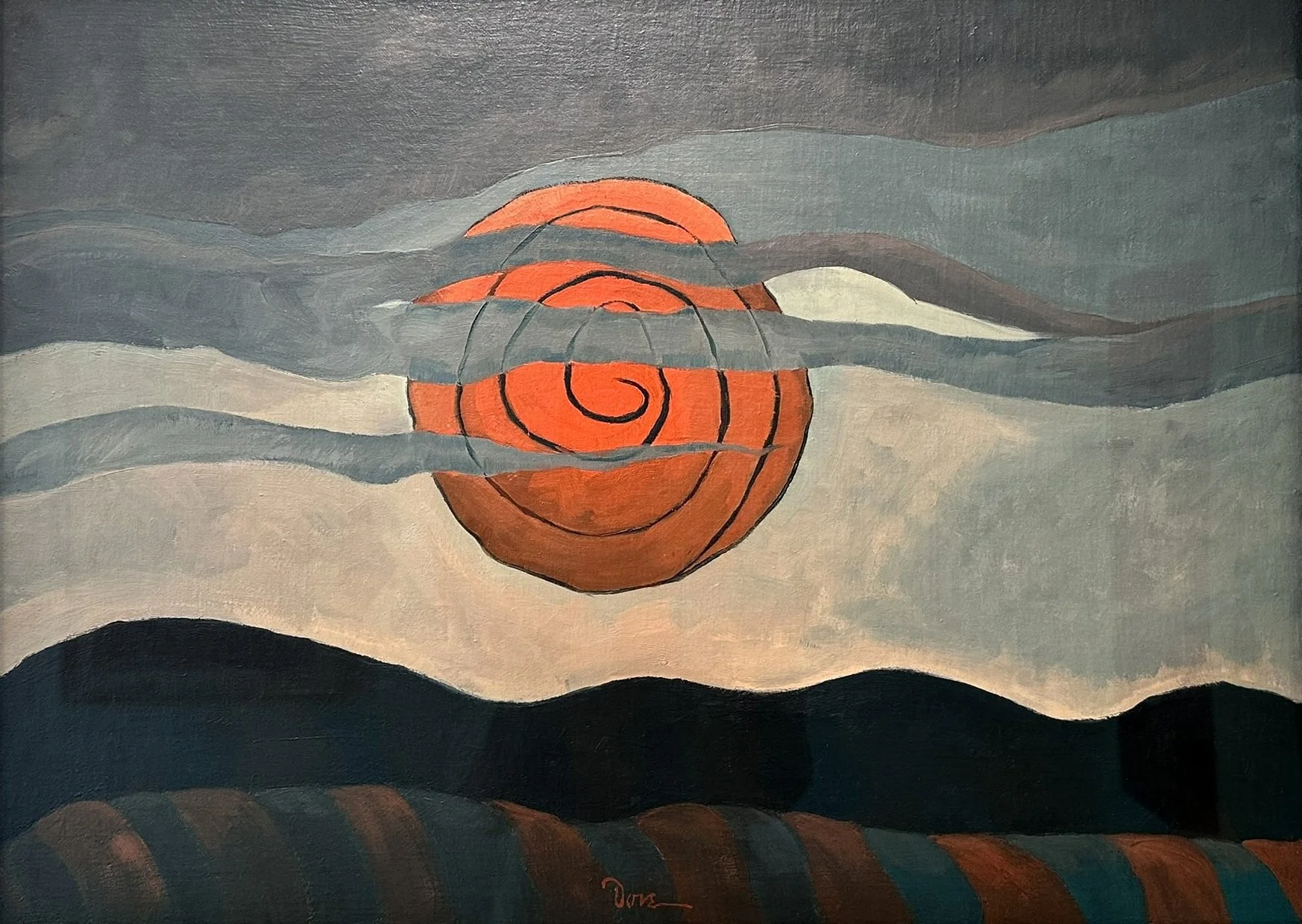
Moving Toward the Darkness: Autumn, Shadow Work, and the Journey Toward Self.
In Jungian psychology, the Shadow is not synonymous with evil or moral failure. Although it may contain impulses and behaviors we find troubling, it also holds valuable parts of ourselves that were discouraged, dismissed, or prohibited during our development. Creativity, assertiveness, sensuality, playfulness, ambition, vulnerability, and even joy may become shadowed when their expression threatens our sense of acceptance or belonging.
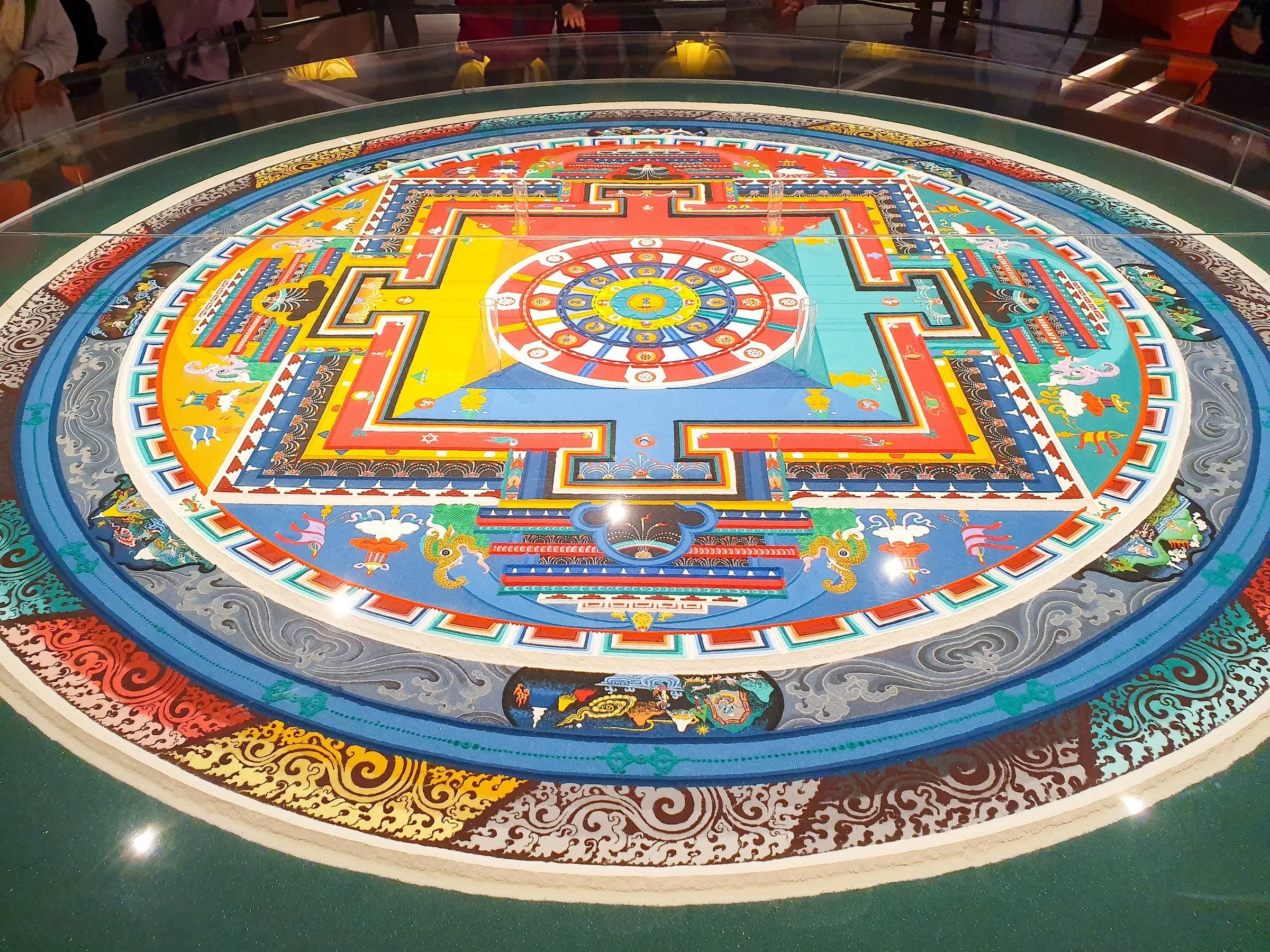
The Mandala at Midlife: Jung and the Movement Toward Wholeness.
There are periods in life when the identity that has carried us for decades begins to shift. The roles remain recognizable, but perhaps they no longer contain the whole of who we are. These experiences can raise questions that are less concerned with achievement than with meaning: Who am I now? What remains unlived? What have I neglected, relinquished, or pushed aside? What belongs to me in this next phase of life?
Carl Jung believed that such questions become particularly important during the second half of life. His concept of individuation describes the lifelong process through which we become more conscious of the larger personality—not simply strengthening the ego, but gradually encountering and integrating aspects of ourselves that have remained unconscious, rejected, undeveloped, or unknown. One of the images Jung found most compelling for this movement toward psychological wholeness was the mandala. The mandala, for Jung, was far more than a beautiful circular design. It was an image of the Self.
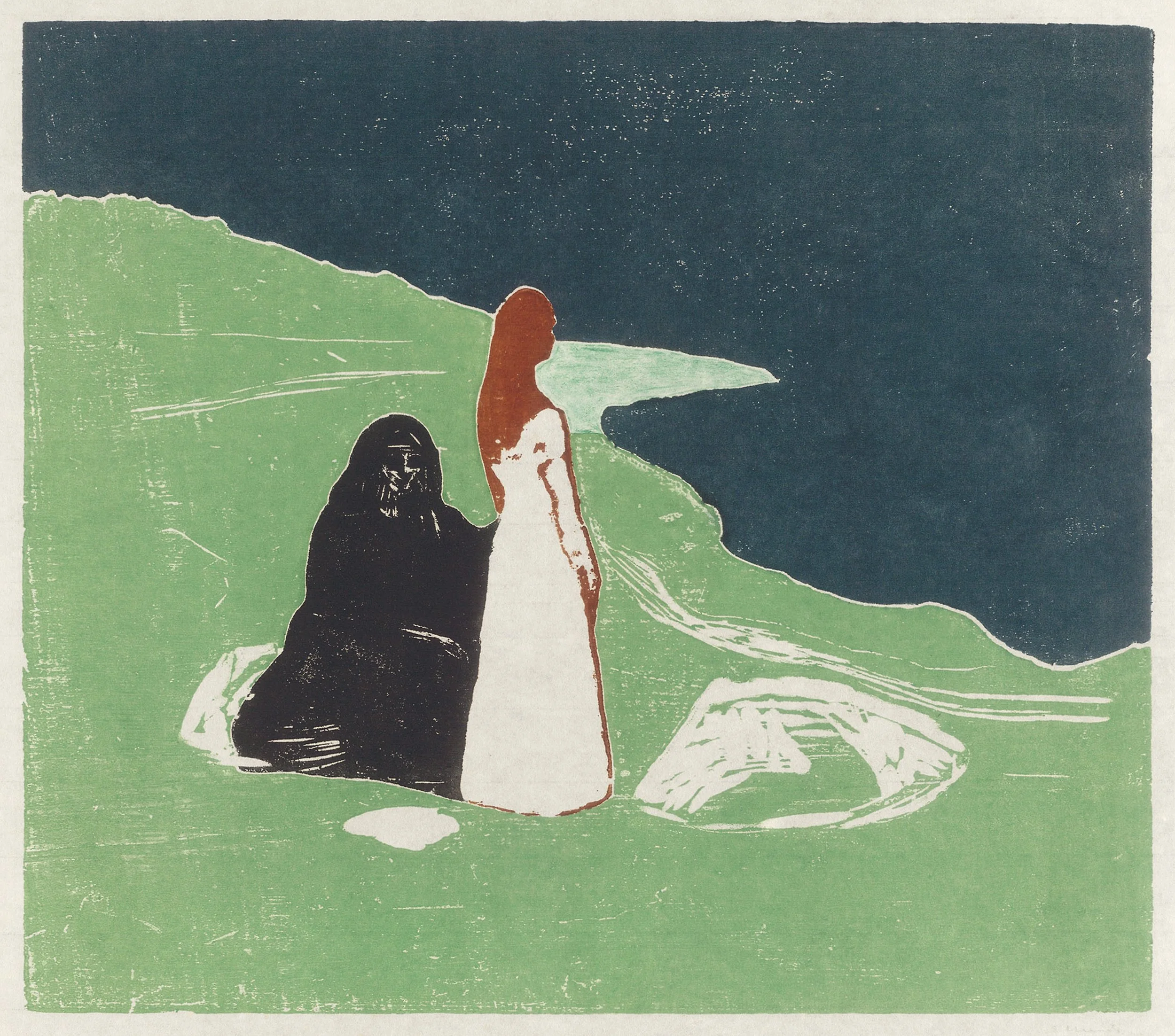
When Loss Reorders the Inner World.
Grief often marks the moment when this deeper layer of the psyche is constellated. What begins as a personal loss—my beloved, my body, my future—frequently expands into something larger and more unsettling. Patients describe a sense that the world itself has changed; familiar meanings collapse; time feels distorted; identity loosens. From a Jungian lens, this is not regression, but initiation. Loss presses the psyche beyond personal biography and into archetypal territory, where death is no longer only an event but a fundamental dimension of existence.

The Self That Holds Us: On Identity, Ego, and Becoming.
We spend so much of our lives trying to figure out who this “I” is—this constellation of stories, habits, wounds, longings, and flashes of wisdom that moves through the world in our name. Some days the “I” feels solid, knowable. Other days it dissolves, slipping through our fingers like water. And perhaps this is the point: the self is not a possession we hold, but a living process we learn to relate to with increasing honesty, courage, and grace. Carl Jung wrote that becoming ourselves is both the simplest and the most difficult task of a lifetime. Individuation, he said, is the work of gathering up the scattered pieces of who we are—the conscious stories, the shadowed memories, the unlived potentials—and integrating them into a coherent enough center from which we can move through the world. “Coming to selfhood,” he called it (CW 7, para. 266).

The Wisdom That Finds Us: On the Importance of Intuition.
We live in a culture that celebrates effort, reason, and productivity. Knowledge is assumed to be the result of calculation, research, or logic. And yet, the most important turns in our lives—the decision to change careers, the recognition of a partner’s truth, the sudden creative breakthrough—often arrive as hunches. Intuition is not the fruit of conscious labor but of unconscious ripening. Something within us, out of sight, gathers the fragments of experience, dream, and feeling, and suddenly pushes forth an insight like a flower breaking through the soil.
Jung reminds us that the work of intuition lies not in producing it but in catching it. The psyche offers; the ego must be attentive enough to receive.
Civilized Savagery: Jung on Fear, Projection, & the Collective Shadow.
Jung’s words remain a call to responsibility. They remind us that civilization without consciousness is savagery dressed in fine clothes. To confront the collective shadow is no small task—but it begins with the individual willingness to notice our fear, to own our projections, and to resist the seduction of blaming the neighbor for the demons we refuse to face.

Amor Fati: Nietzsche’s Call to Love Our Lives Entirely.
One of my favorite German philosophers is Friedrich Nietzsche—a man whose psychological and physical ailments often served as co-authors to his illuminating, existential writings. His work is not only intellectually rigorous but also deeply personal, a philosophical excavation of what it means to be human. In this post, I invite you to walk with me—barefoot and blistered if need be—into the burning heart of amor fati, Nietzsche’s wild summons to love what is, as if we ourselves had chosen every twist and tremble of it.

Being in Alignment with Oneself: An Existential Task
In existential depth psychology, the concept of being in alignment with oneself is a central tenet that speaks to the essence of human authenticity. This idea suggests that individuals often live—often unconsciously—in ways that contradict their true nature, acting out of alignment due to external influences and learned belief systems. The structures and values imposed upon us by society, culture, family, and education frequently take precedence over our innate feelings and desires. Consequently, we become estranged from our authentic selves, leading to internal dissonance and confusion about our emotions. This essay explores the process of misalignment, its consequences, and the path toward self-reconciliation through existential awareness and authenticity.

Understanding Persephone’s Journey.
As spring nears, one of the most profound myths of transformation might come to mind: Persephone’s descent into the Underworld and her return to the living world. Through a Jungian, feminist lens, this myth is not merely a tale of abduction but a rite of passage—a journey into the unconscious, a confrontation with the Shadow, and a rebirth into sovereignty.

Communication, Curiosity, and the Power of "Yes, And"
Communication is more than an exchange of words—it is a way of relating, understanding, and co-creating meaning with others. The way we respond in conversation can either open new possibilities or shut them down. A subtle but powerful shift in language, from saying “yes, but” to “yes, and could you tell me more?”, fosters curiosity, reduces defensiveness, and enhances meaningful dialogue. Both Jungian psychology and Dialogue Therapy, developed by Polly Young-Eisendrath, PhD and Ed Epstein, PhD support an approach to communication that prioritizes openness, relational attunement, and the integration of multiple perspectives.
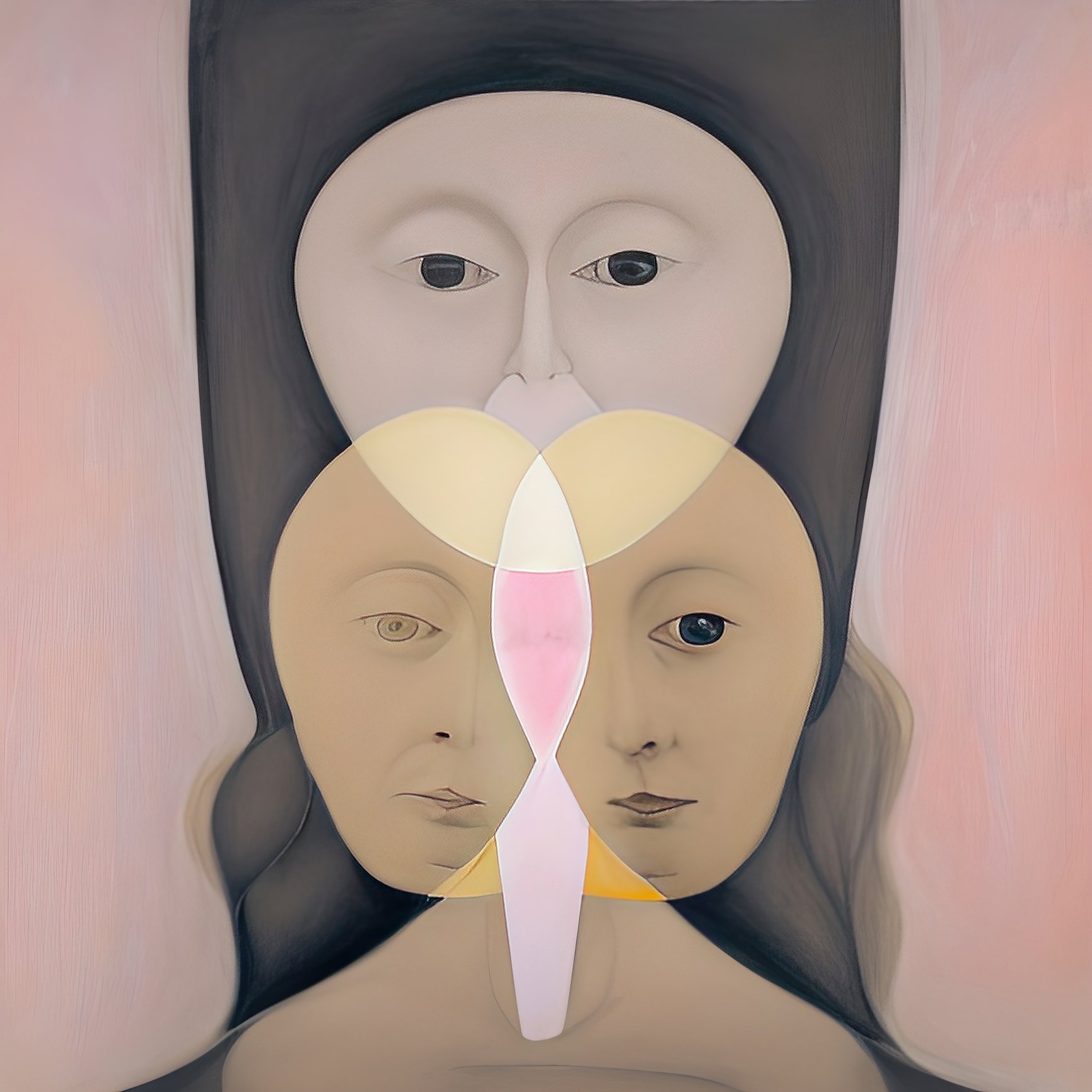
Embracing The Triple Goddess in (Peri)Menopause(Post)
By engaging with the energies of the Maiden’s curiosity, the Mother’s creativity, and the Crone’s profound insight, women can reclaim parts of themselves that may have been overshadowed by societal expectations or life’s demands.
A Jungian Journey Towards Transformation
Jung's analytic psychology is essential for therapeutic healing and unfolds in four distinct stages: Confession, elucidation, education, and transformation. Each stage serves a unique purpose in helping individuals discover their sense of wholeness and autonomy, which leads to integration and individuation. This blog post delves into these stages to explore how they facilitate personal growth and healing.
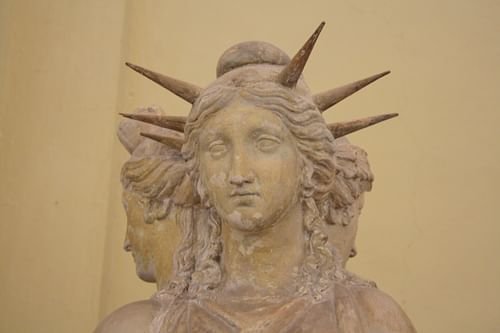
Finding the power in Myth: Hecate, Goddess of Illumination
By embodying Hecate’s attributes and drawing lessons from her mythology, women can find strength, wisdom, and empowerment to navigate their own journeys with confidence and agency. Like all of us in different periods of our life, Hecate stands at the crossroads. Connecting to our inner Self through meditation and active imagination, we can gain inspiration from ancient archetypes and mythological figures such as Hecate as we bravely navigate our own paths, accept the weight of our choices and the responsibility of creating our own essence.

I See You, Anger
Where does your anger live? Does it hold court in your belly? Does it wrap around your heart like a corset? Or is it so pervasive that it flows through your veins like Valvoline in a Formula 1 race car? If you’re like me, it might live in all those places and even a few I’m yet unaware of. Anger is alive in all of us—even when we try to ignore it. Even when social norms and expectations tell us anger is unacceptable. Over the next few weeks, I invite you to join me on a journey of discovery where the dark sides of you reveal you unveiled.