Friendship in the Later Chapters of Life.

Shakuntala and Her Friends. Chromolithograph by R. Varma (1848–1906)
The friendships we need at twenty may not be the friendships we need at seventy.
Friendship accompanies us through the many stages of our lives, offering connection, belonging, mutual recognition, and the experience of being known. Some friends have known us since childhood. Others entered our lives during college, marriage, parenthood, careers, divorce, illness, Middle Life, retirement, or elderhood. Some remain with us for decades, while others belong to a particular season.
As we grow older, friendship can take on renewed importance. Roles that once consumed enormous amounts of our time and energy begin to change. Children establish independent lives. Careers end or take different forms. Parents die. Marriages and partnerships change. Our bodies ask for different kinds of attention. We may find ourselves with more time, but also with fewer of the structures that once brought us naturally into contact with other people.
At this stage of life, friendship can become an important place of continuity—and an important place of becoming.
To Be Known Across Time.
There is something extraordinary about being with a person who remembers earlier versions of us.
A longtime friend may remember who we were before the life we eventually lived unfolded. They may remember the person we were before marriage, children, professional identities, successes, disappointments, illnesses, losses, and all the other experiences that gradually shaped us.
They carry pieces of our autobiographical memory.
Sometimes a friend remembers something about us that we have forgotten. They remember our courage when we remember only our fear, our humor when we remember only the difficulty, or our persistence when we are tempted to see only our mistakes.
To be known across time is a particular form of intimacy.
For women, friendships with other women have often provided spaces for emotional intimacy, mutual recognition, and the freedom to exist outside prescribed roles. A woman may be known within her family as someone's wife, mother, grandmother, daughter, or caregiver. Within friendship, she may experience the freedom of simply being herself.
Men's friendships may carry some of these same needs while sometimes developing through different pathways. Friendship may have been built around work, military service, sports, shared projects, outdoor activities, neighborhood life, or simply doing things together. Retirement can therefore bring an unexpected disruption when the structures that sustained those relationships disappear. The loss is not necessarily a lack of desire for friendship, but the disappearance of the places where friendship once happened.
For both women and men, later life can raise an important question:
Who knows me now—not simply for the roles I have occupied, but for the person I have become?
When Friendship Changes.
Of course, friendship also carries the possibility of loss.
Friends die. They move away. Relationships change. Some friendships slowly fade without explanation; others end painfully after conflict or betrayal. Illness, dementia, caregiving responsibilities, divorce, retirement, and geographic distance can alter relationships that once seemed permanent. Sometimes the person remains in our life while the friendship we once knew is no longer available to us.
These losses can be surprisingly painful because friendship loss receives relatively little cultural recognition. There may be no ritual marking what has happened, no gathering of people who understand the significance of the loss, and sometimes no identifiable moment when we can say the friendship actually ended.
We may find ourselves grieving someone who is still alive.
Family therapist Pauline Boss uses the term ambiguous loss to describe losses characterized by uncertainty rather than a definitive ending. Although her framework developed primarily in relation to families, it can also help us understand friendship. A friend may remain physically present but become psychologically unavailable through dementia, addiction, mental illness, or significant illness. Another friend may simply disappear from our everyday life through relocation, estrangement, political or religious differences, divorce, or the gradual drifting apart that sometimes occurs without explanation.
The ambiguity itself can make grieving difficult. Nothing officially happened—and yet something important is gone.
Acknowledging that reality can be an essential part of mourning.
When a Friend Dies.
As we age, another reality becomes increasingly difficult to avoid: our friends begin to die.
The death of someone approximately our own age can bring mortality particularly close. We lose the person, but we may also lose someone who shared our generational landscape—the music, historical events, cultural references, expectations, mistakes, and transformations that required little explanation between us.
A longtime friend may remember the terrible haircut, the first marriage, the children when they were small, the career crisis, the trip we still laughed about, the decisions we regretted, and the selves we shed along the way.
When that person dies, there can be an unsettling sense that a piece of our own history has disappeared with them.
And yet the relationship does not simply disappear. It changes. Memories, photographs, stories, rituals, dreams, objects, and conversations with others can become ways of maintaining connection while gradually adapting to physical absence. We learn to carry the friendship differently.
Loneliness Is Not Simply Being Alone.
Friendship becomes particularly important in later life because several losses can occur simultaneously. Retirement may remove daily contact with colleagues. Adult children may live far away. A spouse or partner may die. Friends may relocate to be closer to their families. Illness may make travel or familiar social activities more difficult.
But loneliness is not simply the absence of people. We can be surrounded by family, neighbors, acquaintances, and activity and still feel profoundly alone.
Belonging requires something more. It requires the experience of being seen and known.
This may be one of the most important tasks of friendship in the later chapters of life. We need relationships in which we can talk honestly about aging, changing bodies, sexuality, grief, freedom, regret, illness, fear, mortality, and the questions that emerge when there is more life behind us than there once was. The need for belonging does not disappear because we grow older. If anything, the cumulative losses of aging can make genuine connection increasingly important.
The Friend We Have Not Yet Met.
There is another side to this conversation that matters just as much: One of the risks of accumulated loss is that we begin protecting ourselves from future attachment. After the death of friends, painful ruptures, betrayals, or relationships that simply faded away, investing deeply in someone new can feel risky.
Yet later life is not only a season of losing friendships; it can also be a season of forming them.
A person we meet at sixty-five, seventy, or eighty may not know the earlier chapters of our story, but they may deeply understand the chapter we are living now.
We may meet through volunteer work, a neighborhood, an art class, a book group, a faith or spiritual community, travel, walking, gardening, advocacy, or simply because two people repeatedly find themselves in the same place at the same time. These relationships may develop slowly. They may last for decades or only for a season. Their value is not measured solely by their longevity.
New friendships do not replace the people we have lost, nor do they need to replicate relationships from earlier stages of life. They offer something different: companionship for the person we are now.
Forming friendship later in life requires vulnerability. We must allow ourselves to be known again. Perhaps one of the developmental tasks of aging is learning that belonging does not require permanence. Some people accompany us for most of our lives. Others walk beside us only briefly. Each may leave something behind. Our task is not to hold every relationship forever, but to recognize what it has meant, grieve what has been lost, and remain open to connection as our lives continue to unfold.
So perhaps the questions become:
Who has accompanied me?
Whom have I had to let go?
Who knows the person I am today?
And am I still willing to make room for the friend I have not yet met?

Are you and your partner recently engaged? Recently married? Are you looking to start your new life together with deeper understanding of Self, Partner, and Us?
Connect with me below to learn more about my couples work, or schedule a complimentary consultation here.
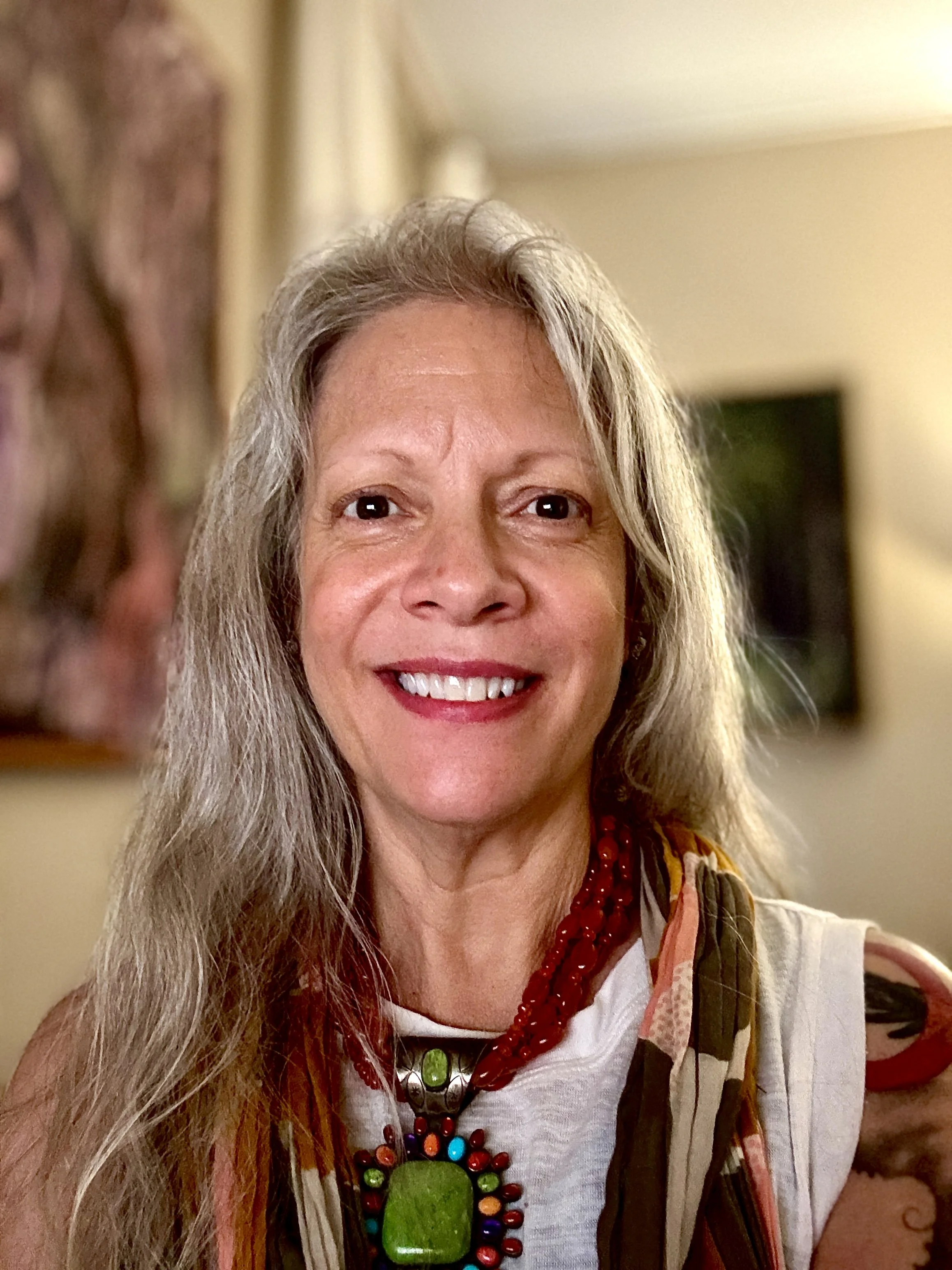
Lisa A. Rainwater, PhD, MA (couns), LCMHC, CCMHC, CCTP, CT is a depth psychotherapist and founder of Rainwater Counseling in Winston-Salem, North Carolina. Licensed in North Carolina, Colorado, and Wisconsin, she works with individuals, couples, and groups.
Prior to private practice, Lisa worked five years as a psychosocial oncology counselor at Atrium Health Wake Forest Baptist, where she supported individuals, couples, families, caregivers, and providers navigating cancer, loss, and end-of-life transitions.
She is a Certified Dialogue Therapist for Couples, Certified Thanatologist, Certified Clinical Trauma Professional, and Eagala-Certified Equine Assisted Psychotherapist, integrating psychoanalytic, mindfulness-based, and experiential approaches to foster healing and reconnection.
Holding a PhD in German and Scandinavian Studies from the University of Wisconsin–Madison and a master’s in Counseling from Wake Forest University, Lisa’s work bridges mythology, depth psychology, and existential meaning-making. She recently completed Finding Ourselves in Fairy Tales: A Narrative Psychological Approach at Pacifica Graduate Institute and continues advanced studies through the Centre for Applied Jungian Studies and The PACT Institute Psychobiological Approach to Couples Therapy.
She is licensed to practice in North Carolina, Colorado, and Wisconsin.